Deadly Hong Kong Fire: A Catastrophic Combination of Factors
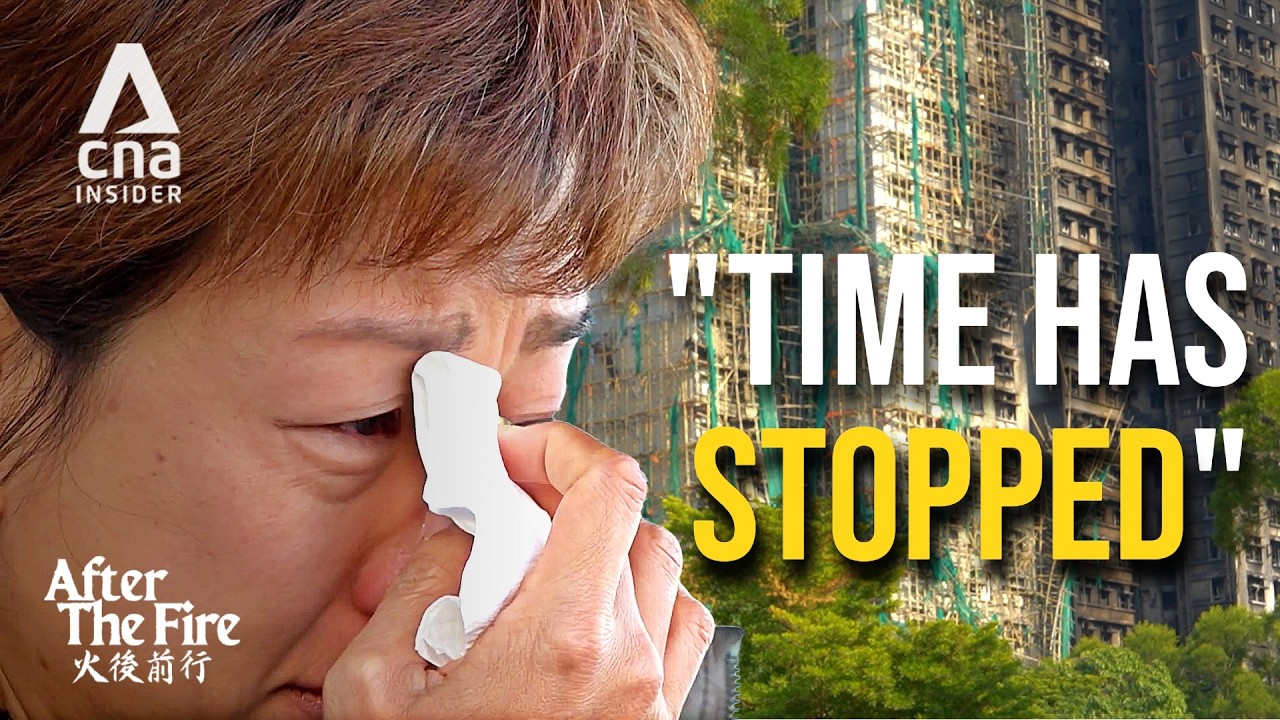
A devastating fire in **Hong Kong** has raised questions about the city's building codes and safety protocols. The blaze, which occurred on **December 5, 2025**
Summary
A devastating fire in **Hong Kong** has raised questions about the city's building codes and safety protocols. The blaze, which occurred on **December 5, 2025**, was likely enabled by a combination of **hazardous construction materials**, **poor building design**, and a series of **safety failures**. As reported by **The New York Times**, the fire has sparked an investigation into the city's construction practices and emergency response procedures. [[hong-kong|Hong Kong]] has a history of strict building codes, but this incident highlights the need for continued vigilance and enforcement. The fire has also drawn attention to the importance of **fire safety measures**, such as **sprinkler systems** and **emergency exits**. [[fire-safety|Fire safety]] experts have emphasized the need for regular inspections and maintenance to prevent such tragedies. The incident has sparked a wider conversation about **urban planning** and **public safety** in **Hong Kong**, with many calling for increased transparency and accountability in the city's construction industry.
Key Takeaways
- The fire in Hong Kong was likely enabled by a combination of hazardous construction materials, poor building design, and safety failures
- The Hong Kong government has announced an investigation into the incident
- The fire has raised questions about the city's building codes and safety protocols
- The incident has highlighted the need for increased investment in fire safety measures and emergency response training
- The fire has sparked a wider conversation about urban planning and public safety in Hong Kong
Balanced Perspective
The fire in **Hong Kong** has raised important questions about the city's **building codes** and **safety protocols**. While the incident was devastating, it is essential to approach the investigation and subsequent reforms with a nuanced and evidence-based perspective. [[building-codes|Building codes]] and **safety protocols** can be complex and multifaceted, and it is crucial to consider the various factors that contributed to the disaster. The **Hong Kong government** has announced an investigation, which will provide valuable insights into the causes of the fire and inform future policy decisions. It is also important to recognize that **fire safety** is a shared responsibility, requiring the cooperation of **building owners**, **construction companies**, and **emergency responders**.
Optimistic View
The fire in **Hong Kong** has sparked a necessary conversation about **building safety** and **emergency preparedness**. While the incident was tragic, it has highlighted the need for increased investment in **fire safety measures** and **emergency response training**. [[fire-safety-measures|Fire safety measures]] can be improved through the use of **advanced technologies**, such as **smoke detectors** and **sprinkler systems**. Additionally, **regular inspections** and **maintenance** can help prevent similar incidents in the future. The **Hong Kong government** has announced plans to review and update the city's building codes and safety protocols, which could lead to a safer and more resilient city.
Critical View
The fire in **Hong Kong** is a stark reminder of the city's **systemic failures** in ensuring **public safety**. The incident has highlighted the inadequacies of the city's **building codes** and **safety protocols**, which have been criticized for being outdated and ineffective. [[public-safety|Public safety]] is a fundamental right, and the **Hong Kong government** has a responsibility to protect its citizens from preventable disasters. The fire has also raised concerns about the **lack of transparency** and **accountability** in the city's construction industry, which has been plagued by **corruption** and **negligence**. Without significant reforms, the city may be vulnerable to similar incidents in the future.
Source
Originally reported by The New York Times